
Master Blood Sugar Control Through Smart Eating
Discover the science-backed strategies and everyday food choices that help prevent harmful blood sugar spikes. Our comprehensive guide breaks down how your body responds to different foods and what you can do about it.
The information on this site is for educational purposes only and does not constitute medical advice. Always consult a qualified healthcare professional before making health decisions.
of adults experience preventable blood sugar fluctuations daily
key nutrients that stabilize glucose responses in food
optimal window to eat balanced meals for stable levels
more stable energy when combining fiber with protein
Why Blood Sugar Spikes Matter for Your Health
Blood sugar spikes occur when glucose levels rise too quickly after eating, often followed by sharp crashes that leave you fatigued and craving more food. These fluctuations trigger a cascade of hormonal responses that, over time, can affect energy levels, mood, metabolism, and overall wellness.
Understanding how different foods impact your blood glucose isn't about restriction or perfection—it's about making informed choices that keep you feeling steady, focused, and energized throughout your day.
-
Sustained Energy
Stable glucose means consistent energy without mid-afternoon crashes
-
Better Mood & Focus
Balanced blood sugar supports mental clarity and emotional stability
-
Healthy Cravings Control
Fewer sharp dips mean fewer intense cravings for sugary foods
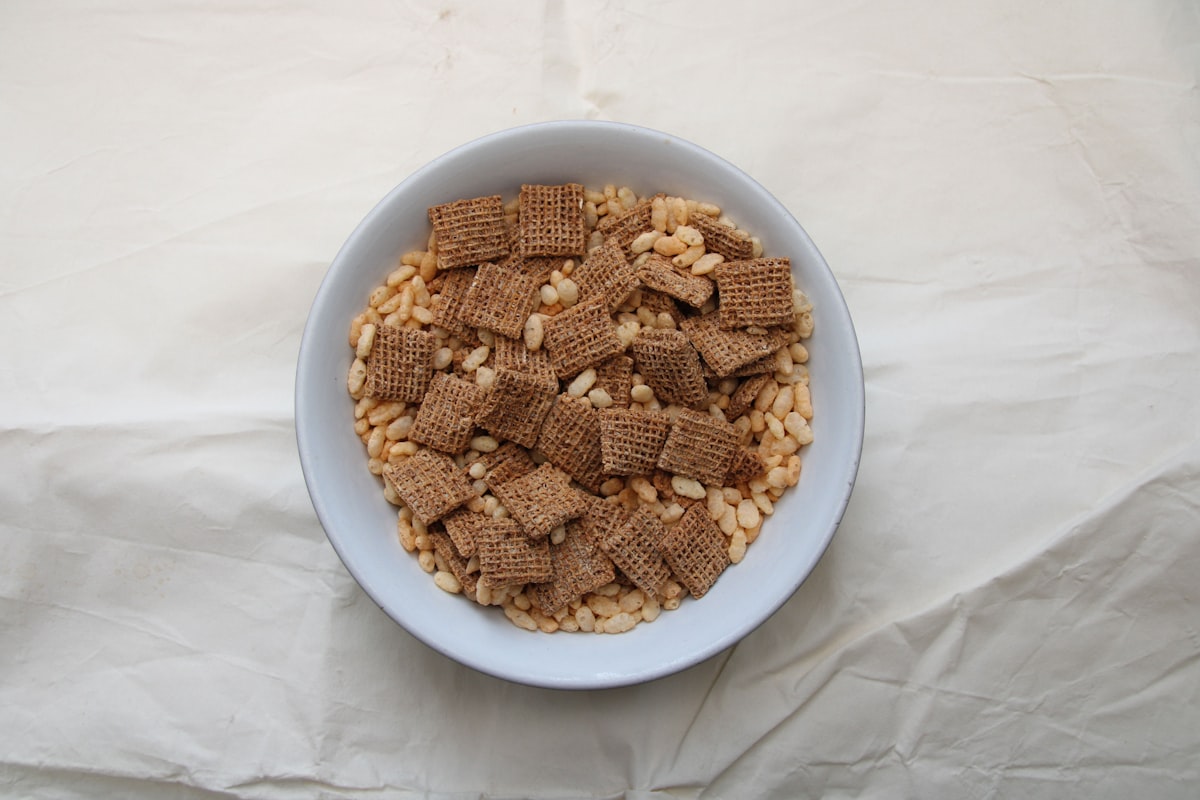
The 5-Step Prevention Framework
Know Your Carbohydrates
Not all carbs are equal. Learn the difference between refined and whole grains, high-glycemic and low-glycemic foods. This foundation helps you make better choices at every meal.
Pair with Protein & Fat
Adding protein and healthy fats to carbohydrate-rich meals slows digestion and glucose absorption, creating a more gradual rise in blood sugar levels.
Prioritize Fiber-Rich Foods
Dietary fiber slows carbohydrate digestion and helps stabilize glucose release. Vegetables, legumes, and seeds are your allies in preventing spikes.
Time Your Meals Wisely
Eating at consistent intervals and avoiding long gaps between meals helps maintain steady energy and prevents extreme hunger that leads to poor food choices.
Add Movement After Eating
Light physical activity following meals—even a short walk—helps muscles absorb glucose more efficiently, reducing blood sugar spikes naturally.
Stay Hydrated & Sleep Well
Proper hydration and adequate sleep support hormonal balance and metabolic function, both critical for maintaining stable blood glucose throughout the day.
Foods That Stabilize Your Blood Sugar
Leafy Greens & Cruciferous Vegetables
Spinach, kale, broccoli, and Brussels sprouts are low in carbs and high in fiber. They add volume to meals without spiking glucose, making them perfect at every meal.
Try: Raw salads, steamed sides, or blended into soups
Protein Sources
Eggs, fish, poultry, legumes, and nuts provide amino acids that slow digestion and stabilize blood sugar. They're also satiating, keeping cravings at bay longer.
Try: Grilled chicken, baked salmon, chickpea curry, or almonds
Whole Grains & Legumes
Oats, brown rice, quinoa, lentils, and beans contain complex carbs with high fiber content. They digest slowly, preventing sudden glucose spikes.
Try: Steel-cut oats, bean soups, or quinoa bowls
Healthy Fats
Avocados, olive oil, fatty fish, seeds, and nuts contain fats that slow stomach emptying and reduce carbohydrate absorption, supporting stable blood sugar.
Try: Olive oil dressing, avocado slices, or tahini sauce
Non-Starchy Vegetables
Bell peppers, zucchini, cucumbers, tomatoes, and mushrooms are nutrient-dense with minimal impact on blood glucose. Use them generously in every meal.
Try: Rainbow stir-fries, roasted medleys, or raw platters
Spices & Flavorings
Cinnamon, turmeric, ginger, and vinegar contain compounds that may help moderate blood sugar responses. They add flavor without calories or sugar.
Try: Cinnamon in oatmeal, vinegar in dressings, or turmeric in rice
Key Features of Our Editorial Approach
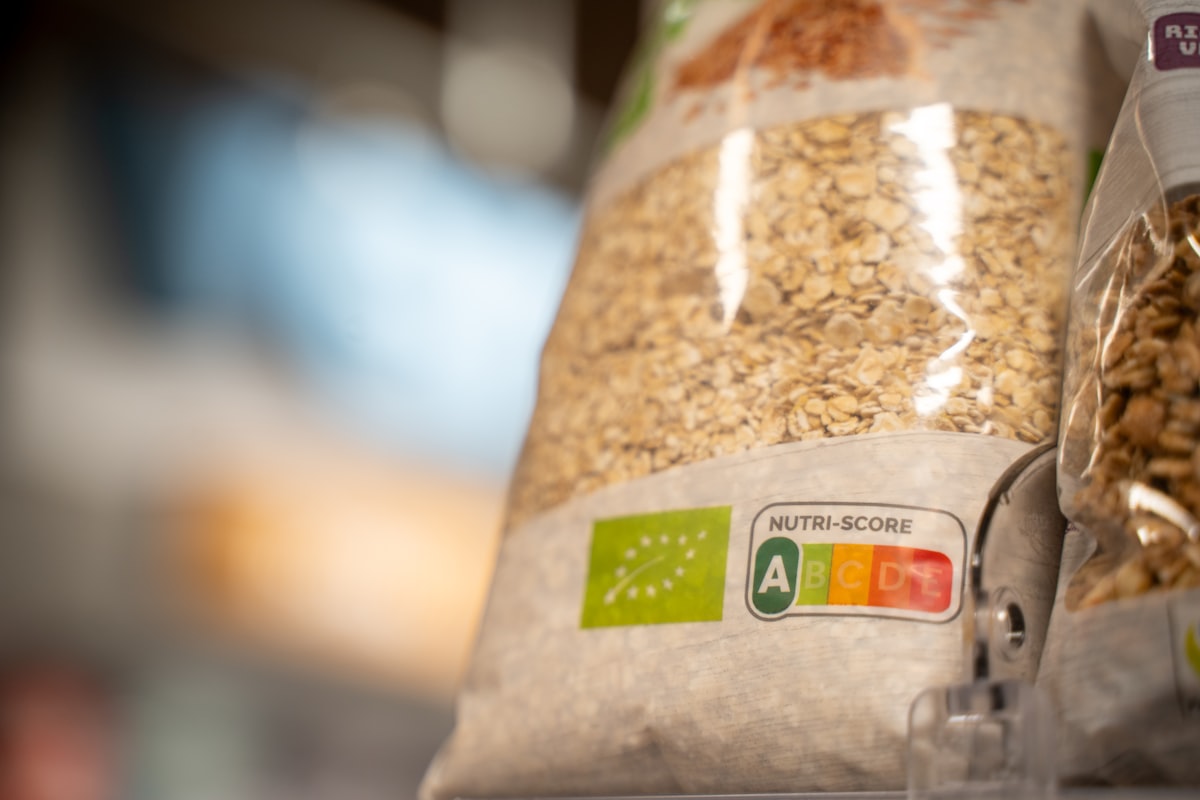
Evidence-Based Information
Our content is grounded in nutritional science and peer-reviewed research, helping you understand the "why" behind each recommendation.
Practical Guidance
Beyond theory, we provide actionable strategies and meal examples you can implement immediately in your daily routine.
Personalization Insights
Blood sugar responses vary by individual. We explain how genetics, activity level, and timing influence your unique needs.
Community Stories
Learn from real experiences shared by readers who have successfully incorporated these strategies into their lives.
Frequently Asked Questions
How quickly does blood sugar rise after eating?
Blood glucose typically begins rising 10-15 minutes after eating and peaks within 1-2 hours, depending on the meal composition. Foods high in simple carbs and low in fiber produce faster spikes, while meals with protein, fat, and fiber result in more gradual increases.
Can eating order affect blood sugar response?
Yes, absolutely. Eating vegetables and protein first, then carbohydrates last, can significantly reduce blood sugar spikes. This approach is called "plate sequencing" and is one of the most effective meal timing strategies.
Are all fruits bad for blood sugar?
No. Whole fruits contain fiber, vitamins, and minerals. Berries are particularly good—they have lower sugar content and higher fiber. The key is portion control and pairing fruit with protein or fat to slow glucose absorption.
How does exercise help with blood sugar control?
Muscle tissue absorbs glucose during and after exercise. Even a 10-15 minute walk after meals can improve glucose uptake by up to 30%. Regular activity increases insulin sensitivity, helping your body manage blood sugar more effectively over time.
What's the role of glycemic index (GI) in food choices?
The glycemic index measures how quickly a carbohydrate raises blood glucose. Low-GI foods (55 or below) produce slower, steadier glucose rises. However, GI doesn't account for portion size or how foods are combined, so it's best used as one tool among many.
Can stress and sleep affect blood sugar levels?
Absolutely. Chronic stress elevates cortisol, which can increase blood glucose. Poor sleep disrupts hormonal balance, reducing insulin sensitivity and increasing cravings. Together, these factors make blood sugar control much more challenging.
Real Results From Our Community
"I started following the plate sequencing tips and noticed a dramatic difference in my afternoon energy levels within just two weeks. No more 3 PM crashes. The food lists are practical and easy to use at the grocery store."
Markéta K.
Prague
"The 5-step framework finally made sense of all the conflicting nutrition advice I've read. I appreciate the science-backed explanations that don't require a medical degree to understand. My energy is more stable, and I'm sleeping better too."
Josef H.
Brno
"I've been prediabetic for years and felt stuck. These articles gave me concrete, actionable steps that don't feel restrictive. I'm excited about food again instead of anxious. Highly recommend for anyone wanting to understand their body better."
Petra M.
Ostrava
Get Our Free Blood Sugar Guide
Sign up for our email updates and receive a comprehensive downloadable guide with meal examples, food lists, and daily strategies you can start using immediately.
We respect your privacy. Unsubscribe anytime.
Start Your Blood Sugar Learning Journey Today
Understanding how food affects your body is one of the most empowering health decisions you can make. Our editorial resources are designed to educate, inspire, and support your journey toward stable energy and better overall wellness.
Questions about our content? Contact our editorial team or visit our FAQ page.